

7 Ways to Keep Vintage Prints From Cracking

Last Updated: November 12, 2026
Quick Summary
To keep vintage prints from cracking, turn the shirt inside out, wash it cold on a gentle cycle with mild detergent, and skip the bleach and fabric softener. Then air dry it instead of using the dryer, since heat and friction are the main causes of cracking.
Turn printed tees inside out before every wash to shield the design from friction.
Wash in cold or cool water on a gentle or delicate cycle to reduce stress on the ink.
Use a mild, gentle detergent and avoid bleach, fabric softener and strong stain removers.
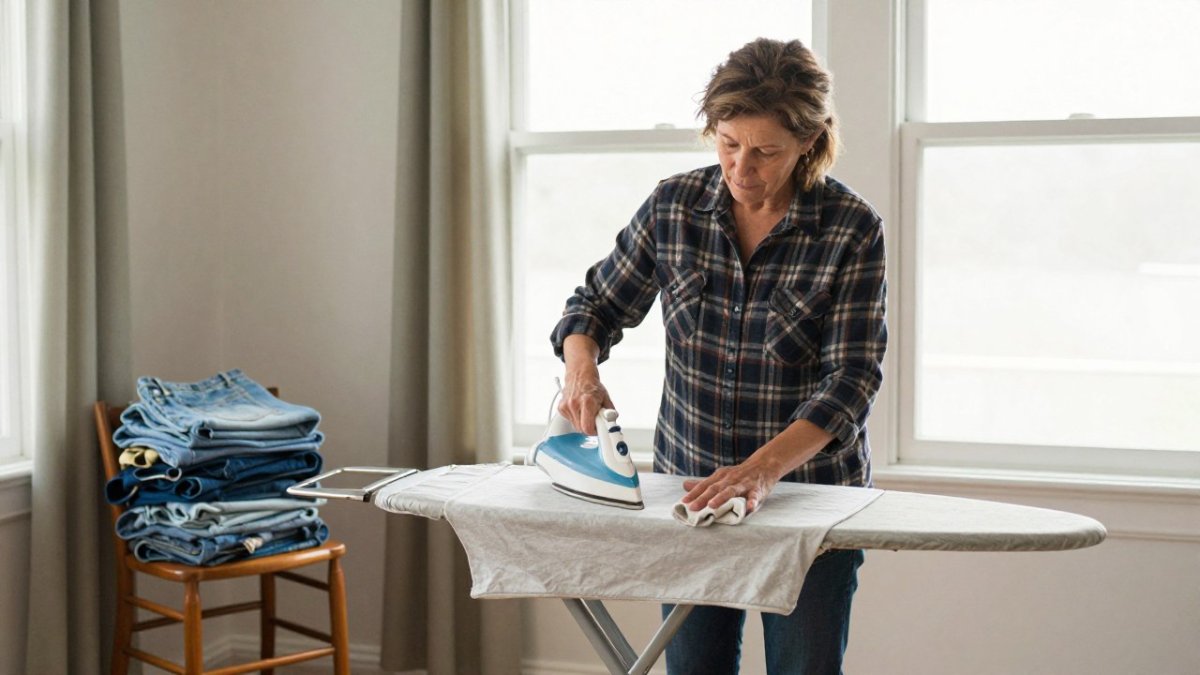
Air dry tees flat or on a padded hanger, and never iron directly over the print.
Table of Contents
Why Vintage Prints Crack in the First Place
Your favorite faded graphic tee probably didn't crack overnight. Prints break down slowly, and every wash, dryer cycle and hot iron adds a little more wear. Think of it like a sunburn that keeps coming back.
Most cracking comes down to heat and friction. The print sits on top of the fabric, and when the fabric stretches and bends, the ink has to bend with it. Hot water and high heat can make ink stiff and brittle, so it snaps instead of flexing. Then the tumbling in a dryer can rub the surface raw.
Older prints can be more fragile, since ink that has already started to crack may have lost some flexibility. The good news? A few simple habits can slow that process way down.
Step 1: Turn Your Graphic Tee Inside Out
Flip that shirt inside out before it goes anywhere near the washer. This one step protects your print from the worst of the rubbing.
When tees tumble against each other and the drum, the friction hits the printed side first. Inside out, the fabric takes the beating, and your design stays protected. It's about the easiest favor you can do your favorite shirt.
Quick checklist:
Turn every printed tee inside out
Zip zippers and fasten buttons
Close any Velcro so it doesn't snag
Step 2: Choose Cold Water and a Gentle Cycle
Hot water is the enemy of a good print. Set your machine to cold or cool water every time, and pick the gentle or delicate cycle. This slows the agitation and keeps the ink from getting stressed.

Gentle cycles spin slower and move less. That means less rubbing and less stretching, which is exactly what an older print needs. If your washer only has a regular cycle, lower the spin speed if the option is available.
Keep loads small too. A packed drum forces shirts to scrape against each other. Wash your graphic tees with other light, soft items, not with jeans or towels that create extra friction.
Here's a quick look at the wash settings that protect a printed tee, all drawn from the steps above.
Setting | Choice | Why it helps |
Water temperature | Cold or cool | Keeps ink from getting stressed |
Wash cycle | Gentle or delicate | Slows agitation and rubbing |
Spin speed | Lower, if available | Reduces stretching of the print |
Load size | Small | Stops shirts scraping each other |
Detergent | Mild, gentle | Avoids stripping color or ink |
Step 3: Use Mild Detergent and Skip the Bleach
Reach for a mild, gentle detergent. Harsh formulas can strip color and break down ink over time. Look for options labeled gentle, sensitive or free of dyes and brighteners.
Bleach is a hard no for printed tees. It can fade the design fast and weaken the fibers around the print. The same goes for strong stain removers, which can soften ink and leave it looking dull.
Also skip the fabric softener. It coats fibers and can cause the print to feel slick and wear unevenly. Plain, mild detergent gets the job done without the extra baggage.
How to Dry Graphic Tees Without Damaging the Print
Heat is the biggest threat after the wash, so skip the dryer whenever you can. Lay your tee flat on a clean towel or hang it on a padded hanger. Keep it inside out while it dries, and avoid direct sun, which can fade colors.
If you must use a dryer, choose the lowest heat setting and take the shirt out while it's still a little damp. Tumble dry on low for a short time, then finish by air drying. Never iron directly over the print. If it's wrinkled, iron the inside of the shirt on a low setting, or hang it in a steamy bathroom.
How to Fix Cracked Print on a Shirt (and What to Avoid)
Here's the honest truth nobody puts on a laundry label: once ink has cracked, it generally won't heal on its own. What you can do is work to keep the crack from spreading and avoid the well-meaning internet tricks that can turn a small crack into a bigger problem.
First, figure out what you're actually looking at. Run a fingertip across the design. If the ink sits noticeably on top of the fabric with a slightly raised, rubbery feel, you may be dealing with a heat-applied transfer. If the ink feels like it's soaked into the weave and the fabric texture shows through, it may be a direct-to-garment print.
Next, separate cosmetic aging from active damage. Fine spiderweb cracks across a design can be a sign of aging, and the print may stay fairly stable if you stop adding heat and friction. Cracks that are widening, edges that curl up when you pinch the fabric, or flakes coming off on your hand mean the bond between ink and fabric is failing.
For aged-but-stable prints, the fix is subtraction, not addition. Wash less often, spot-clean instead of full washes when you can. Keep the shirt out of the dryer entirely. Storing it flat rather than on a hanger can keep gravity from pulling on the shoulders. When you fold, put the design face-in or lay a sheet of acid-free tissue over it so neighboring fabric doesn't abrade the ink.
For actively failing prints, stop handling the design. Don't stretch the shirt by the shoulders to pull it over your head, that's the single most common way a small crack becomes a long one. Don't pick at loose flakes. Don't iron anywhere near the print, even through a cloth, because a hot iron plate can re-melt or scorch aged ink.
Now the warnings. You will find viral advice to rub acetone or nail polish remover into a cracked print to 'reflow' the ink. Don't. Harsh solvents can damage fabric and dye, and adhesives can bond to lint and dirt, so it's safer to avoid these fixes. Treat any fix that adds a new substance to the print as a last resort, and never test one on a rare or sentimental shirt.
If you want to try a spot treatment on a fragile print, test it first in an inconspicuous spot, the inside hem, the lower side seam, or a hidden corner of the design. Apply the smallest amount, let it dry fully, and check for color shift, stiffness, or lifting before you go anywhere near the visible part of the graphic.
Watch out: a print that's already peeling at the edges can shed flakes in the wash and leave residue on other garments, so wash a failing shirt alone or hand-wash it until you decide whether it's a wearer or a keepsake.
And know when to stop. If the piece is genuinely valuable, a band tee from a specific tour, a family heirloom, anything with resale or sentimental weight, a textile conservator may be worth consulting rather than a DIY hack. For everything else, accept that some wear is part of the charm. A shirt that's been loved for twenty years is supposed to look like it.
Storing Your Vintage Tees So They Last Longer
Washing gets a lot of attention, but storage matters too. A shirt hung in a sunny closet for a year can fade, so storage habits make a real difference. Here's how to stack the deck in your favor.
Start with the fold. Hanging stretches the shoulders and puts steady tension on the print, which is exactly the kind of slow stress that opens cracks. Fold instead, and fold so the design isn't creased hard against itself. Put the graphic face-in, or lay a sheet of acid-free tissue paper over the print before you fold, the tissue acts as a buffer so the cotton doesn't abrade the ink every time the stack shifts.
Light is the quiet killer. Ultraviolet exposure fades pigment and breaks down the binders in ink over time, and it doesn't need direct sun to do it, a bright room is enough. Store vintage tees in a closet or drawer away from windows, and if you display one, keep it out of direct sun and rotate it so one shirt isn't taking the hit year-round.
Humidity matters more than most people think. Damp air encourages mildew and can soften the bond between ink and fabric; bone-dry air makes cotton brittle and prone to cracking along folds. Aim for a stable, moderate environment rather than a dramatic one. A breathable cotton or canvas storage bin can be a better choice than a sealed plastic tote, which can trap moisture. If you live somewhere humid, a silica packet in the bin is cheap insurance, just don't let it touch the fabric directly.
Watch out: it's best not to store vintage tees in dry-cleaning bags or sealed plastic, since trapped moisture can be a problem.
Friction is the other slow leak. Don't cram shirts into a drawer so they're compressed against each other, and don't stack heavy items on top of a fragile print. If you're storing a shirt long-term, fold it loosely, keep it near the top of the stack, and check on it every few months for any new cracking or flaking.
Finally, rotate. Wearing one shirt every week is the fastest way to crack it, no matter how carefully you wash it. Give your favorites a rest, and let the ones you're not wearing sit flat and undisturbed. Less handling means less stress on aged ink, and that's the whole game.
If you're building out a rotation of easy-wear graphics, the vintage-style tees collection is a good place to start, garment-dyed Comfort Colors cotton in sizes S-4X, printed and shipped from Detroit, Michigan.
Your Next Move: Build a Care Routine That Sticks
Start small. Pick two or three of these habits and make them automatic. Turning a shirt inside out takes five seconds, and it does more good than almost anything else.
Keep a little note in your laundry room with your go-to steps: inside out, cold water, gentle cycle, mild detergent, air dry. Once it becomes second nature, your vintage prints will look better for much longer.
Your favorite tees have earned a long life, so give them the care they deserve.
Frequently Asked Questions
Why do T-shirt prints crack?
Most cracking comes from repeated stress on the ink layer. Heat from a hot dryer, friction from tumbling against other clothes, and harsh detergents or bleach all make the print stiffer and more brittle over time. Once the ink loses flexibility, it stretches with every wear and splits along the folds and seams. Washing inside out in cold water and air-drying can help slow that process down.
How do you wash graphic tees so the print lasts?
Turn the shirt inside out, zip up any hoodies, and wash on a gentle cycle in cold water. Use a mild detergent and skip fabric softener, which coats the fibers and can weaken the print's grip. Avoid bleach entirely. Washing graphic tees with similar colors and separating them from heavy denim or towels reduces friction, and that alone prevents a surprising amount of wear on the design.
Should you dry a graphic tee in the dryer?
Air-drying is the safest choice. Hang the shirt on a rack or line in shade, or lay it flat on a towel, so the print never sees direct heat. If you must use a dryer, pick the lowest heat setting, tumble on a gentle or air-fluff cycle, and remove the shirt while it is still slightly damp. Heat is the fastest way to crack a fragile print, so skipping the dryer is worth the extra time.
Can you fix a cracked print on a shirt?
A badly cracked print usually cannot be fully restored at home. Many viral hacks, such as applying heat or harsh solvents, can cause more damage. Stop DIY treatments when the ink is visibly flaking, store the shirt flat in a breathable bag, and consider asking a textile conservator about valuable pieces. Prevention through proper washing is far more reliable than repair.

Comments